FREE SHIPPING $30+ Handcrafted with Purpose • Rooted in Faith

The Truth About “Soap” at the Grocery Store


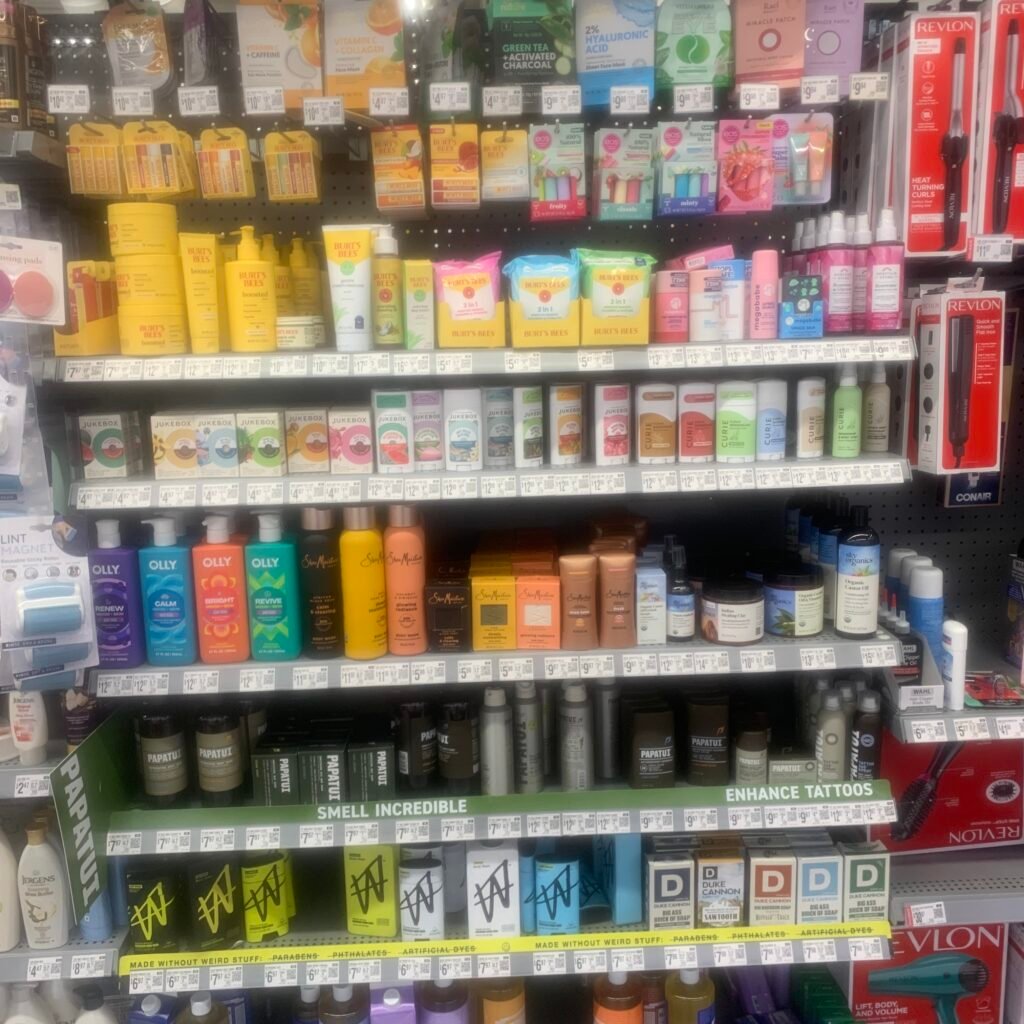
We went in for one thing… and I ended up standing in the soap aisle reading labels 😅
Let me show you what I found 👇
Walk down the soap aisle and you’ll see dozens of options.
Moisturizing bars.
Beauty bars.
Ultra-fresh bars.
Deep-clean bars.
But here’s something most people don’t realize.
Many of those products are not technically soap.
They are synthetic detergent bars.
What’s the Difference?
Traditional soap is made through a process called saponification.
That’s when oils or fats react with lye, creating real soap and natural glycerin.
Detergent bars are different.
Some bars on the shelf are true soap, some are detergent-based cleansers, and some are a blend of both. They all clean—but they’re made very differently, often for mass production, and your skin can feel that difference.
What I Noticed Looking Closer
When you flip the bottle or box over…
That’s where the real story is.
Detergent bars often:
• strip more oils from the skin
• rely on synthetic fragrances
• include stabilizers and foaming agents
That’s why some people feel tight or dry after using them.
Here’s what that looks like in a typical store aisle:
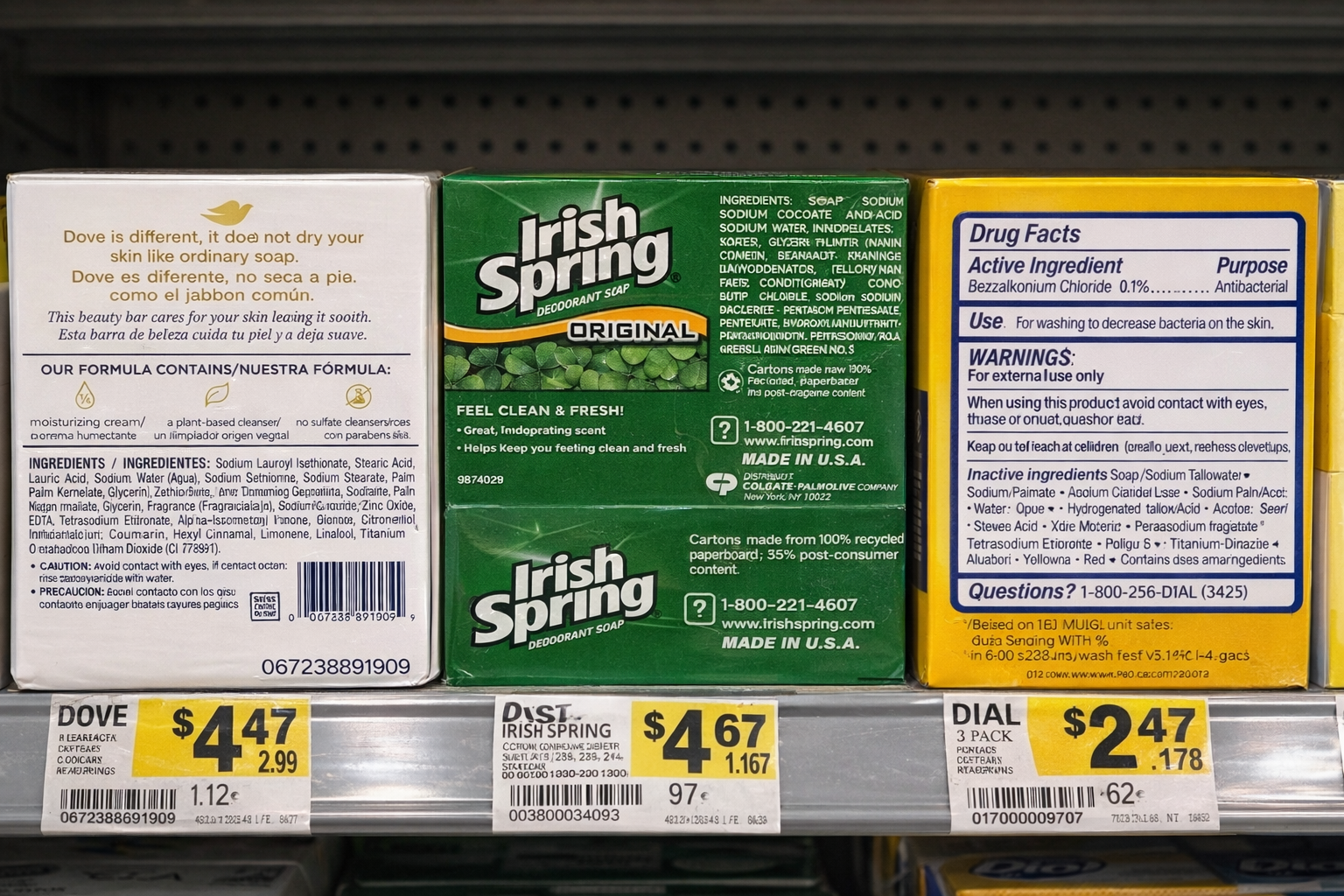
This doesn’t always mean they’re unsafe…
but they can behave differently on your skin.
Why Handmade Soap Feels Different
Traditional soap keeps its natural glycerin.
That matters more than most people realize.
Glycerin is a humectant
—it helps pull moisture into your skin.
Large manufacturers often remove it.
Handmade soap keeps it.
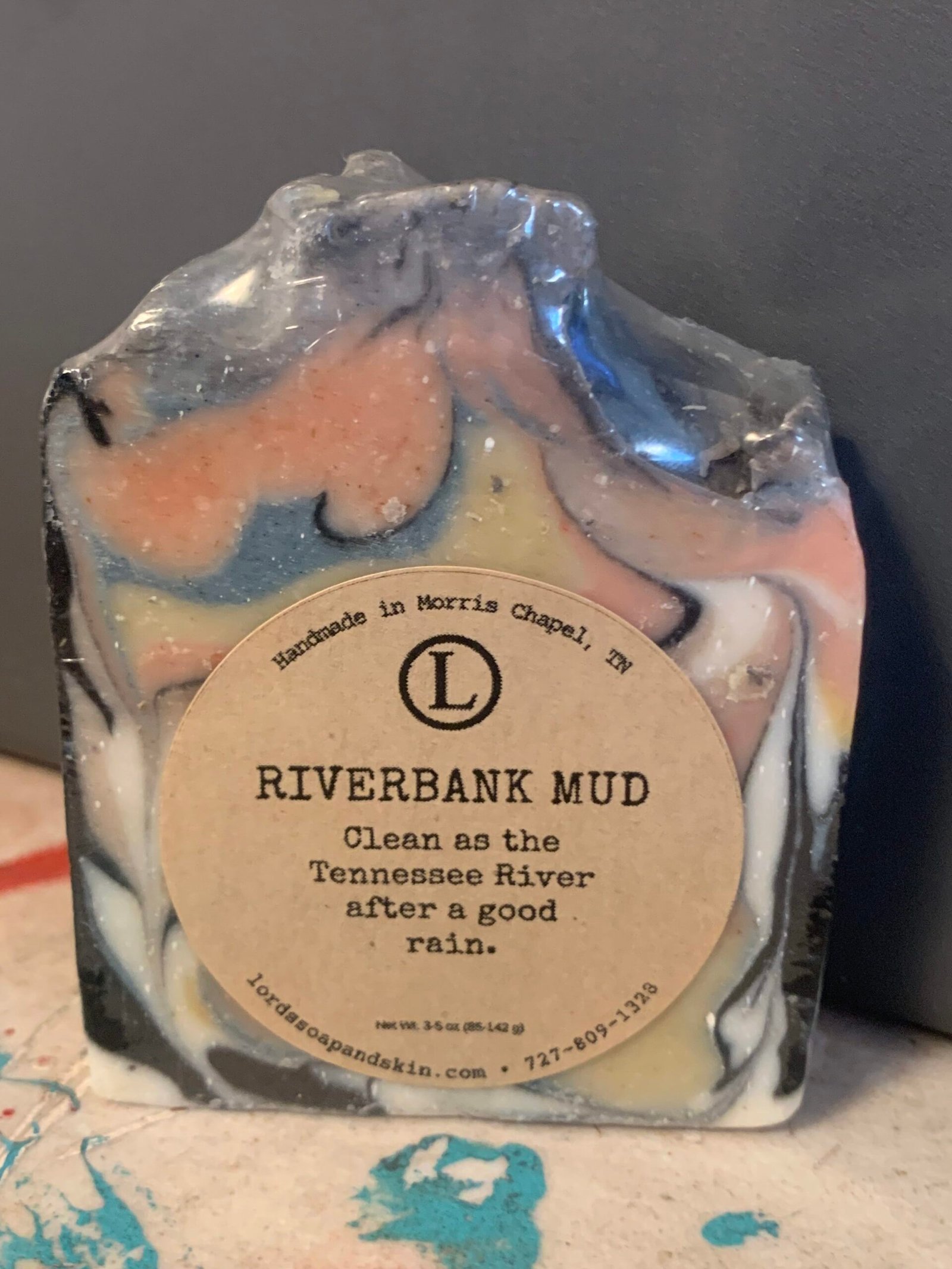
That small difference can completely change how your skin feels.
Why This Matters to Me
This is why I started making my own 💛
No guessing. No label decoding in the aisle.

I care about what goes on our bodies just as much as what goes in them.
Your spot’s saved.
Y’all come back