
(And Why It Matters More Than You Think)
If you’ve ever gone hunting for truly fragrance-free soap, you’ve probably had this moment:
You pick up a bar labeled “gentle”…
Then another that says “for sensitive skin”…
…and somewhere in the fine print?
Fragrance.
It’s a bit like ordering unsweet tea and getting handed a glass with just a whisper of sugar anyway.
So what gives?
This is where things get confusing…
Why So Many Soaps Still Contain Fragrance
Short answer:
Because fragrance sells.
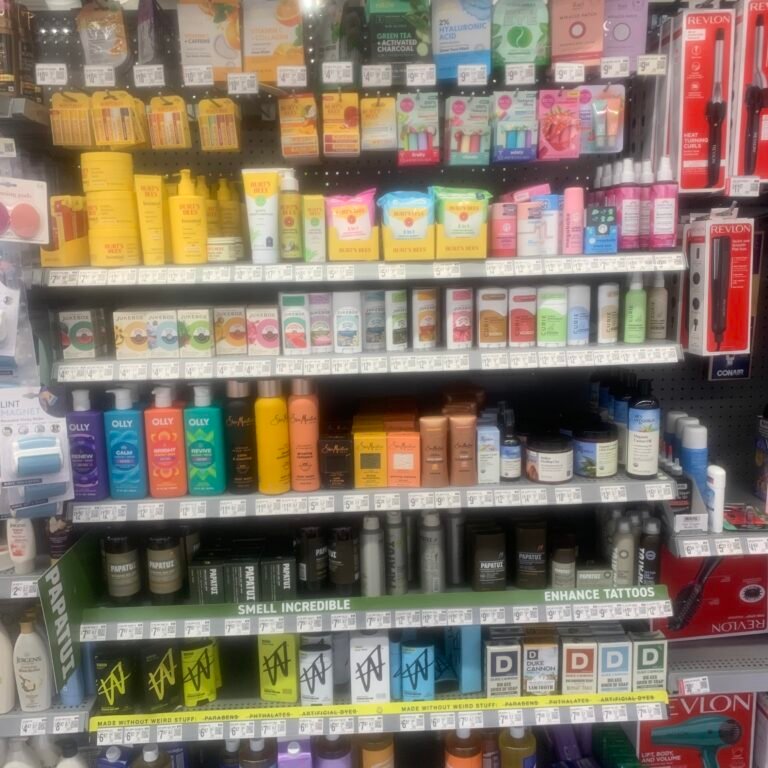
Walk down any store aisle and you’ll notice it right away:
- Bright colors
- Bold packaging
- Strong scents you can smell before you even pick up the bar
Fragrance does a few powerful things:
- It grabs attention
- It creates a memorable “signature scent”
- It makes a product feel luxurious
But here’s the quiet trade-off…
👉 What attracts attention doesn’t always support skin health.
Why Some Skin Needs Fragrance-Free Soap
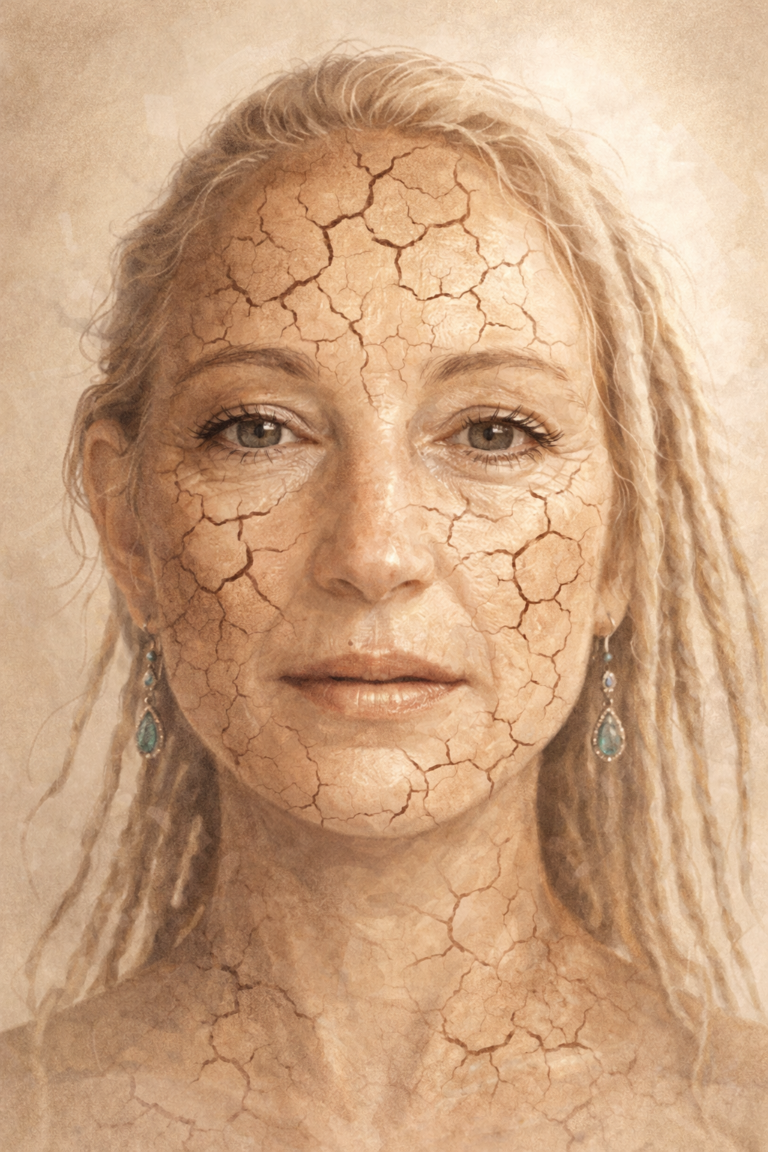
Fragrance is one of the most common causes of skin irritation.
That includes both:
- Synthetic fragrance blends
- Essential oils (yes… even the natural ones)
That part surprises a lot of people.
Essential oils may come from plants, but they’re still highly concentrated compounds. For sensitive skin, that can be a bit like turning the volume up too high on something already delicate.
For people dealing with:
- Dry skin
- Sensitivity
- Allergies
- Skin conditions
…removing fragrance can feel like finally taking off tight shoes at the end of a long day.
What “Fragrance-Free” Actually Means
This is where things get a little slippery.
In fact, labeling can vary more than most people realize.
A truly fragrance-free soap contains:
- No fragrance oils
- No essential oils
- No masking scents
Just the ingredients needed to make soap.
Nothing extra trying to impress your nose.
Just something that quietly does its job well.
Why It’s Hard to Find
Because simplicity doesn’t shout.
Fragrance-free soap doesn’t:
- Fill the air with scent
- Stand out on a shelf
- Compete in the same flashy way
It’s more like a well-made tool than a showpiece.
And in a market built on sensory experience, that kind of quiet product often gets overlooked.
Where Traditional Soap Comes In
Interestingly, this is where older methods shine.
If you’ve read our post on Why Traditional Tallow Soap Is Making a Comeback
…you already know that simple, traditional formulas were never built around fragrance in the first place.
They were built around function.
Clean. Condition. Last.
That’s it.
Our Approach: Pure Hands Soap
At Lord’s Soap & Skin, we created Pure Hands for people who want things simple and honest.
No fragrance.
No colorants.
No unnecessary extras.
Just a traditional bar made with intention.
If you’re someone who:
- Reads ingredient lists carefully
- Prefers fewer variables on your skin
- Or just wants a bar that doesn’t try to perform for your nose
…this is that bar.
A Final Thought
There’s nothing wrong with enjoying a beautifully scented soap.
But there’s also something deeply refreshing about choosing one that doesn’t try to be anything more than what it is.
No performance.
No disguise.
No noise.
Just soap.
Keeping It Simple Beyond Soap
For those who prefer to keep things simple beyond cleansing, the same idea carries over.
Our Pure Hands Balm follows that same approach:
No fragrance.
No unnecessary additives.
Just simple, functional ingredients meant to support the skin.
Because sometimes the best routine isn’t adding more…
it’s removing what isn’t needed.
Frequently Asked Questions About Fragrance-Free Soap
Is fragrance-free soap better for sensitive skin?
Often, yes.
Fragrance is one of the most common triggers for irritation. Removing it reduces the number of variables your skin has to react to, which can help calm dryness, redness, or sensitivity.
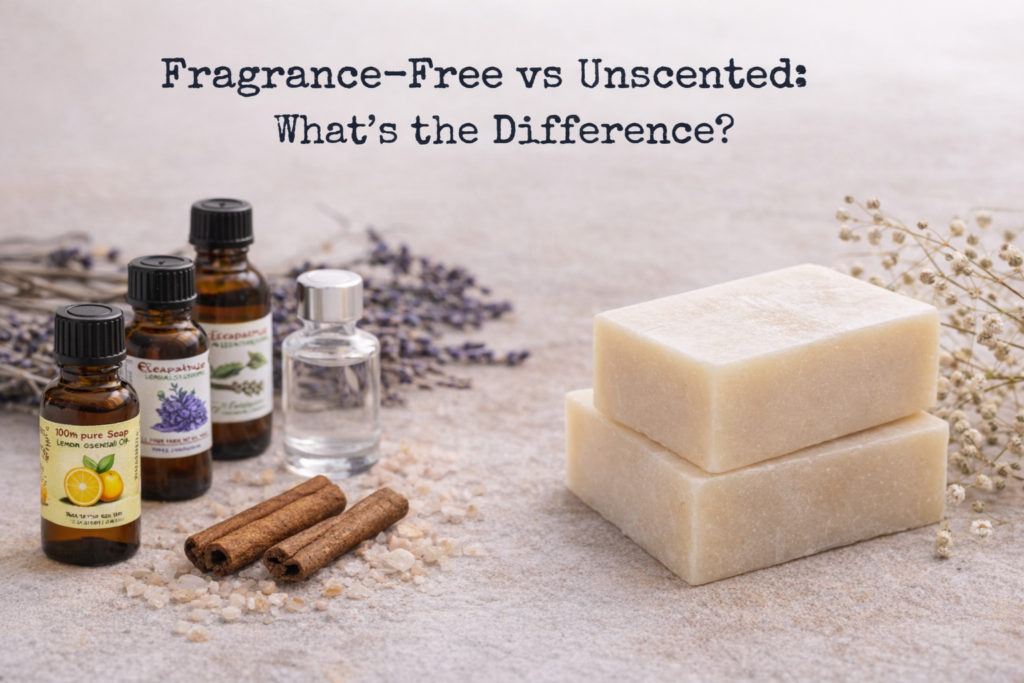
What’s the difference between fragrance-free and unscented soap?
They are not the same.
- Fragrance-free means no fragrance ingredients were added at all.
- Unscented can still contain masking agents that neutralize odor.
If you want the simplest option, fragrance-free is usually the safer choice.
Can essential oils irritate skin?
Yes, they can.
Even though they’re natural, essential oils are concentrated plant compounds. For some people, especially those with sensitive skin, they can still cause irritation or reactions.
Why do most soaps have fragrance?
Because scent helps products sell.
Fragrance makes soap more noticeable, more memorable, and more appealing to many buyers. That’s why it’s so common, even in products labeled for sensitive skin.
Is fragrance-free soap completely scentless?
Not always.
True fragrance-free soap may still have a very light, natural scent from the oils or ingredients used, but nothing has been added to create or enhance that scent.
Who should use fragrance-free soap?
Fragrance-free soap is especially helpful for:
- Sensitive or reactive skin
- Dry skin
- Allergy-prone individuals
- Anyone who prefers minimal, simple ingredients
Related Reads (for curious minds 🧠)
- 👉 The Truth About “Soap” at the Grocery Store
- 👉 Why Traditional Tallow Soap Is Making a Comeback
- 👉 Fragrance-Free vs Unscented: What’s the Difference?
– Lord’s Soap & Skin
There’s a better bar waiting.